

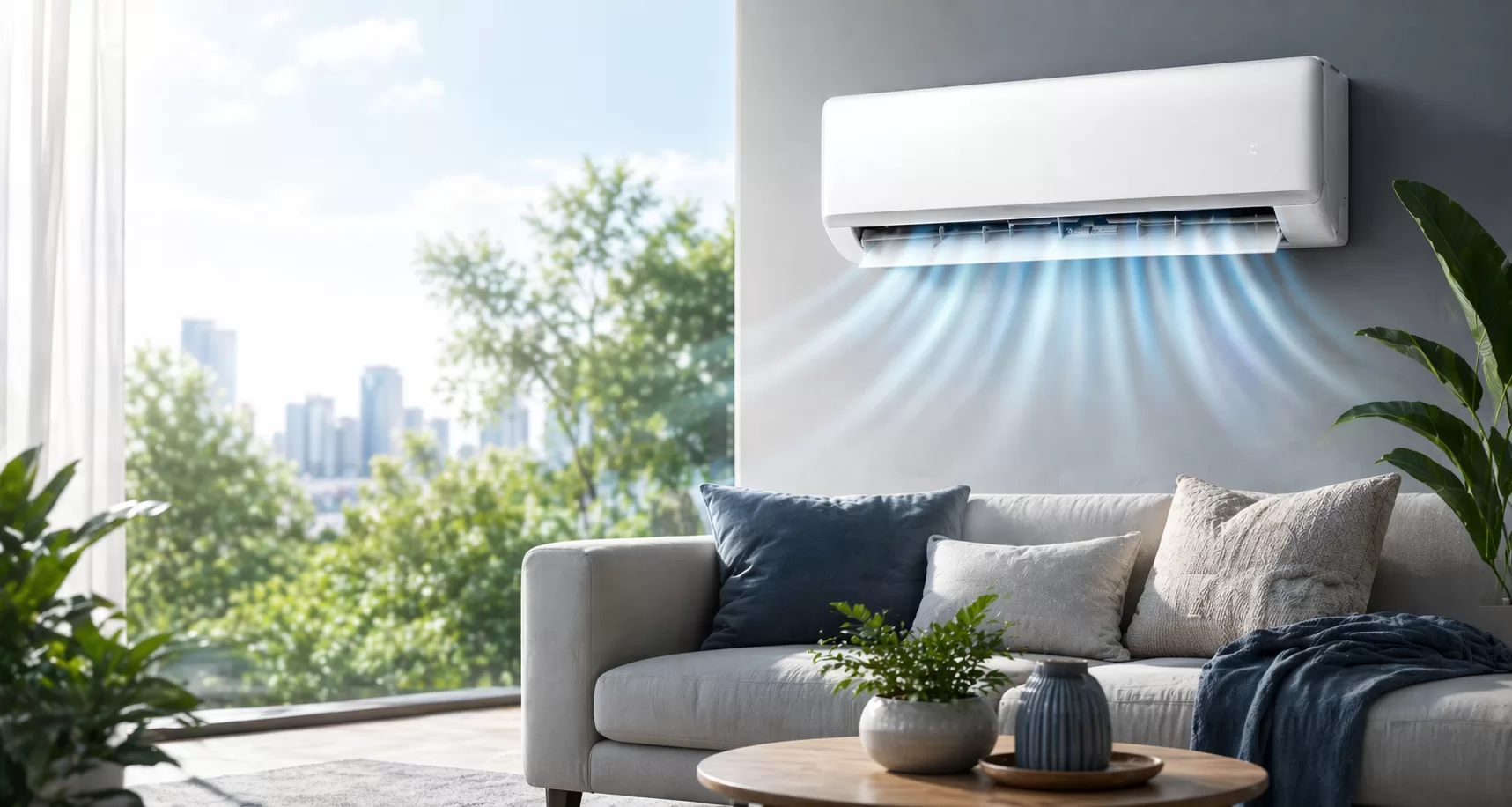
In Malaysia’s hot and humid climate, air conditioning is no longer something seasonal or optional, it is part of everyday living.
For most households, cooling systems run for long hours every single day, often covering bedrooms at night, living rooms during the day, and even home offices in between. Over time, this makes the air conditioner one of the most frequently used home systems in the entire household.
But what has changed significantly in recent years is not just usage, it is expectation.
Homeowners are no longer simply asking, “How cold can it get?”
Instead, the questions have become more practical and long-term focused:
- How much electricity does it consume monthly?
- Is it efficient for long hours of usage?
- Does it affect indoor air quality?
- Will it become expensive to maintain over time?
- Is it suitable for modern lifestyle needs like WFH?
This shift marks a bigger change in mindset, from treating air conditioning as a basic appliance to viewing it as a long-term home comfort system that directly impacts lifestyle quality.
The Bigger Picture: Why Your Cooling System Decision Matters More Than You Think
A cooling system is not just a machine installed on your wall.
It becomes part of your daily environment, running silently in the background, influencing how your home feels every single hour.
In many Malaysian homes, air conditioners operate between 8 to 16 hours daily, especially in urban areas and high-rise living spaces. This means the system continuously affects:
- Sleep quality at night
- Productivity during work-from-home hours
- Comfort during family time in shared spaces
- Monthly household electricity bills
- Indoor air quality over time
Unlike other appliances that are used occasionally, cooling systems are always “on duty” during the most important parts of your daily routine, rest, focus, and relaxation.
This is why more homeowners are starting to evaluate cooling systems the same way they evaluate long-term home infrastructure, similar to water systems or energy efficiency planning.
How Modern Cooling Systems Have Evolved Over Time
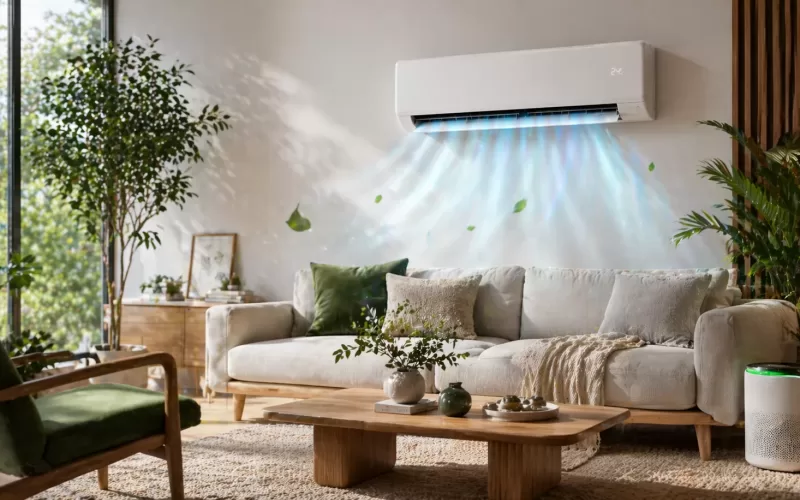
Cooling technology has changed significantly over the past decade.
Older systems were designed with a simple function: turn on, cool the room, turn off. But this approach is no longer efficient for modern living conditions where systems run for long hours daily.
Modern systems are now designed with three core priorities:
- Energy efficiency
- Temperature stability
- Long-term usage comfort
From Fixed Cooling to Adaptive Energy Control
Traditional air conditioners operate on a fixed-speed compressor system, which repeatedly turns on and off to maintain temperature.
This creates two problems:
- High electricity spikes during start-up
- Uneven temperature control
Modern inverter systems solve this by adjusting compressor speed dynamically based on room temperature.
Instead of stopping and restarting, the system continuously regulates output, which leads to:
- Lower energy consumption
- More stable cooling experience
- Reduced wear and tear on components
- Longer system lifespan
For households in Malaysia where air conditioners are used for long hours, this difference becomes highly noticeable in monthly electricity bills over time.
Comfort Is Now Consistent, Not Temporary
One of the most common complaints about older systems is temperature inconsistency.
You may feel:
- Too cold when the compressor runs at full power
- Too warm when it cycles off
Modern systems solve this by maintaining steady airflow and temperature balance, especially important during:
- Sleep (where temperature stability affects rest quality)
- Work-from-home focus hours
- Long family gatherings in shared spaces
Comfort is no longer about “how cold it gets,” but how consistent it feels over time.
Air Quality Has Become Part of Cooling Design
A major evolution in modern cooling systems is the integration of air filtration technology.
Instead of only cooling air, newer systems also help reduce:
- Dust particles
- Allergens
- Odors
- Airborne pollutants
This is especially important in urban Malaysian environments where indoor air can be affected by external pollution, cooking fumes, and limited ventilation.
👉 For homeowners focusing on healthier living environments, it is worth exploring how indoor air quality affects long-term wellness and home comfort.
H3: Noise Reduction for Modern Living Spaces
Noise levels have become a major factor in modern home design.
Older air conditioners often produce noticeable humming or vibration sounds, which can disrupt sleep or concentration.
Modern systems are designed with:
- Improved compressor insulation
- Vibration reduction technology
- Sleep-mode optimization
- Lower decibel airflow systems
This makes a significant difference in bedrooms, study rooms, and compact apartments where sound carries easily.
The Real Cost of Cooling: Why Electricity Matters More Than Installation Price
One of the most common mistakes homeowners make is focusing only on upfront installation cost.
However, in Malaysia, where air conditioners run for long hours daily, the real cost is long-term electricity consumption.
Older or inefficient systems often:
- Consume more electricity per hour
- Require more frequent servicing
- Lose cooling efficiency over time
- Struggle to maintain stable temperature
Meanwhile, modern systems are designed to optimize energy usage based on real-time conditions, which can result in noticeable savings over months and years.
In many cases, homeowners only realize the difference when comparing yearly electricity bills rather than purchase price.
Why Older Systems Become Expensive Over Time
Older or inefficient systems typically:
- Consume more power per hour
- Struggle to maintain stable temperature
- Require more frequent compressor effort
- Lose efficiency as they age
This leads to gradually increasing electricity bills even if usage habits remain the same.
Why Efficient Systems Reduce Long-Term Financial Pressure
Modern systems are designed to optimize energy use based on real-time room conditions.
This means:
- Less wasted energy
- More controlled compressor operation
- Lower monthly electricity fluctuations
- More predictable long-term cost planning
Over a 5–10 year period, this difference becomes financially significant for households with heavy daily usage.
Maintenance: The Hidden Factor That Affects Everything
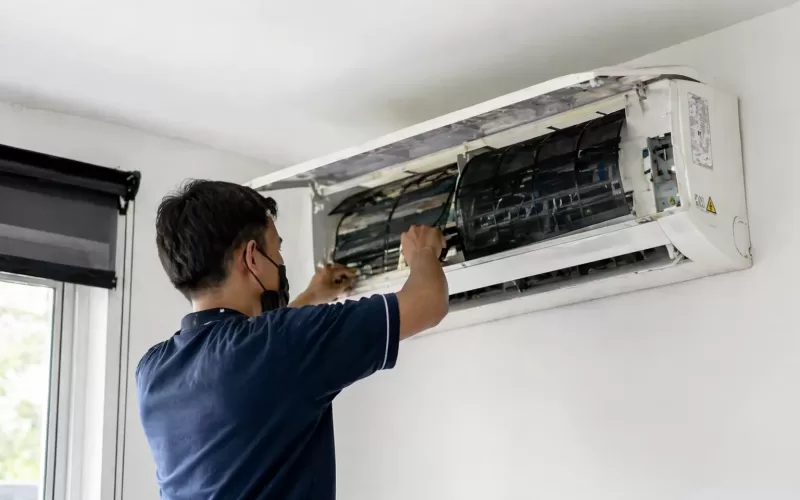
Even the most advanced cooling system will not perform well without proper maintenance.
Dust buildup, clogged filters, and poor servicing schedules can lead to:
- Reduced cooling performance
- Higher electricity consumption
- Poor indoor air quality
- Shortened system lifespan
Regular servicing is not just about repair, it is about maintaining efficiency.
When Should You Start Considering an Upgrade?
Many homeowners continue using outdated systems longer than they should, mainly because the system is still “working.”
However, there are clear signs that efficiency is declining:
Key Warning Signs
- Air conditioner is more than 7–10 years old
- Electricity bills have increased without lifestyle changes
- Cooling feels inconsistent or weak
- System produces unusual noise during operation
- Repairs are becoming frequent and costly
At this stage, continuing repairs may cost more in the long run than upgrading to a more efficient system.
Conclusion
In Malaysia’s hot climate, choosing the right air cooling system is about long-term comfort, energy efficiency, and healthier indoor living. Modern systems offer better temperature stability, lower energy usage, and improved daily comfort compared to older units, making them a practical upgrade for today’s homes.
For a more complete home comfort solution, you can explore CUCKOO Aircond Malaysia, designed to deliver efficient cooling, reliable performance, and convenient service support for modern Malaysian households.
Frequently Asked Questions
Are modern air conditioners really more energy efficient?
Yes. Modern inverter systems adjust compressor speed based on room temperature, reducing unnecessary energy usage compared to older fixed-speed models.
Do modern systems improve indoor air quality?
Yes, Our modern systems include improved filtration features that help reduce dust, allergens, and airborne particles, improving indoor comfort and air freshness.
How long does an air conditioning system usually last?
On average, a well-maintained system lasts around 7 to 10 years, depending on usage frequency and servicing quality.
Is it worth upgrading an old air conditioner?
If your system is inefficient, noisy, or frequently requires repair, upgrading can reduce long-term electricity and maintenance costs while improving comfort.
How often should servicing be done?
Most systems should be serviced at least once or twice a year depending on usage intensity and environmental conditions.